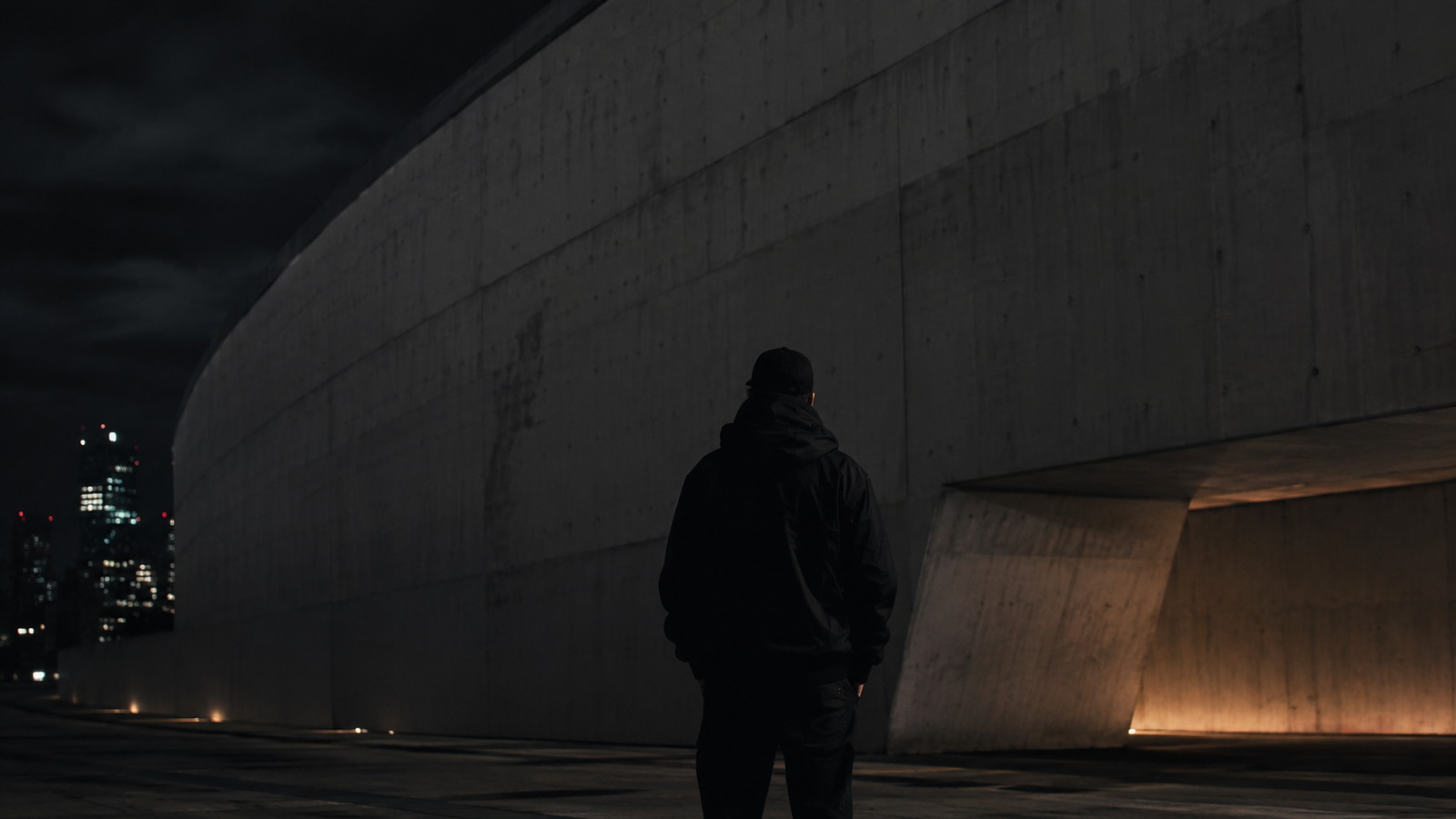
A uniform creates identity through repetition. It reduces unnecessary decisions and establishes a visual connection between people who may never occupy the same place at the same time.
THE BASE LAYER
The study begins with a dark, simple foundation. A heavyweight black T-shirt creates structure without appearing formal. The fit is relaxed but controlled, with enough volume to support outer layers without losing its shape.
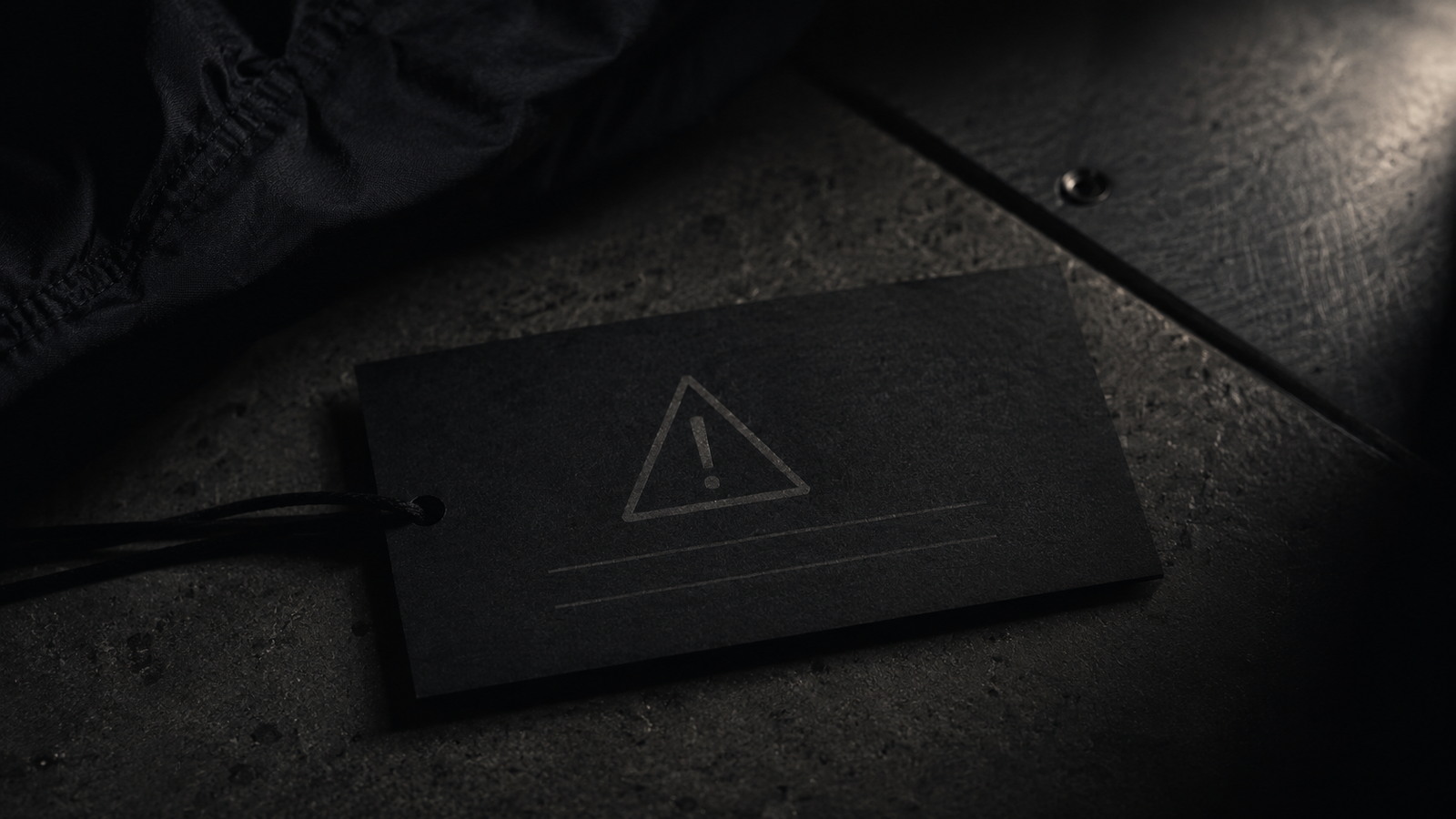
Branding remains limited. A small Department identifier can be placed on the chest, sleeve or lower hem. The back may carry a larger record, but it should still feel integrated into the garment rather than applied as decoration. The garment needs to work without the graphic before the graphic is added.
OUTER LAYER
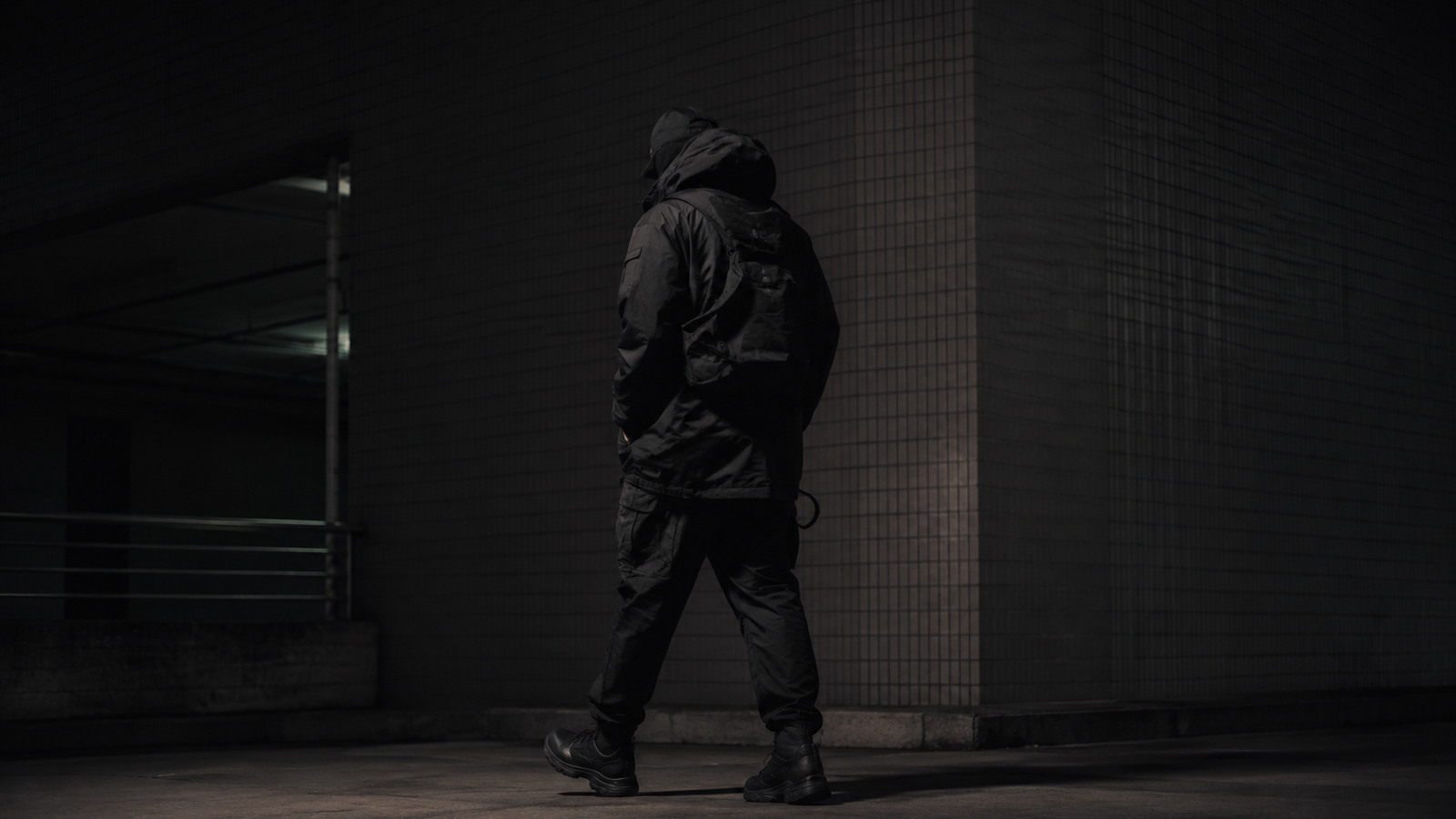
The outer layer provides most of the silhouette. A technical jacket, work jacket or structured overshirt creates a clearer shape around the shoulders. It should remain functional when worn open, closed or tied around the body.
Pockets matter because the uniform is designed for people carrying cameras, phones, keys and small equipment. Function should be visible but not theatrical. The objective is not to look prepared for an imaginary operation. It is to be prepared for an actual night outside.
LOWER SILHOUETTE
Trousers should allow movement without becoming excessively oversized. A straight or slightly relaxed leg works with both technical footwear and simpler sneakers. Details such as reinforced seams, cargo pockets or adjustable hems can be introduced when they serve the garment rather than define it.
The silhouette should remain recognisable from a distance. Dark clothing is not visually simple when proportion is handled correctly.
IDENTIFICATION
Department identifiers act as records rather than conventional logos. Personnel codes, clearance levels, jurisdiction, unit and the founding statement can establish the fictional institutional language of the project while allowing each garment to feel connected to the wider system.
The same identifier can appear on clothing, member cards, packaging and editorial layouts.
NIGHT OPERATIONS
The first uniform study is designed for cold artificial light, reflective surfaces and environments where black does not disappear but separates into different materials. Cotton, nylon, coated fabric and metal react differently under streetlights.
That difference creates the image. The uniform does not need colour to create contrast. It needs structure, surface and intention.