Some cars are completed before they are purchased. Their final form is already known. They remain close to the original specification, maintained carefully and changed only when necessary. This is not one of those cars.
THE DAILY MACHINE
The BMW F30 was not chosen as a show vehicle. It needed to work every day, travel long distances and remain usable in different conditions. Four doors, diesel range, automatic transmission and all-wheel drive made it practical before it became a project.
That practicality remains important. The objective is not to turn the car into something that can only exist in photographs. Every modification has to survive ordinary roads, long journeys and repeated use. The machine has to operate before it can become an image.
CONTROLLED CHANGES
The direction is based on proportion rather than excess: a lower stance, a wider visual footprint, concave wheels, darker external details and a more deliberate relationship between bodywork and road.
The intended result is not a complete rejection of the original design. The F30 already has a strong, controlled shape. The project develops that shape rather than hiding it. Black paint makes small changes more important. Surface, wheel fitment and lighting become more visible because the overall palette remains limited.
DAILY USE, AFTER DARK
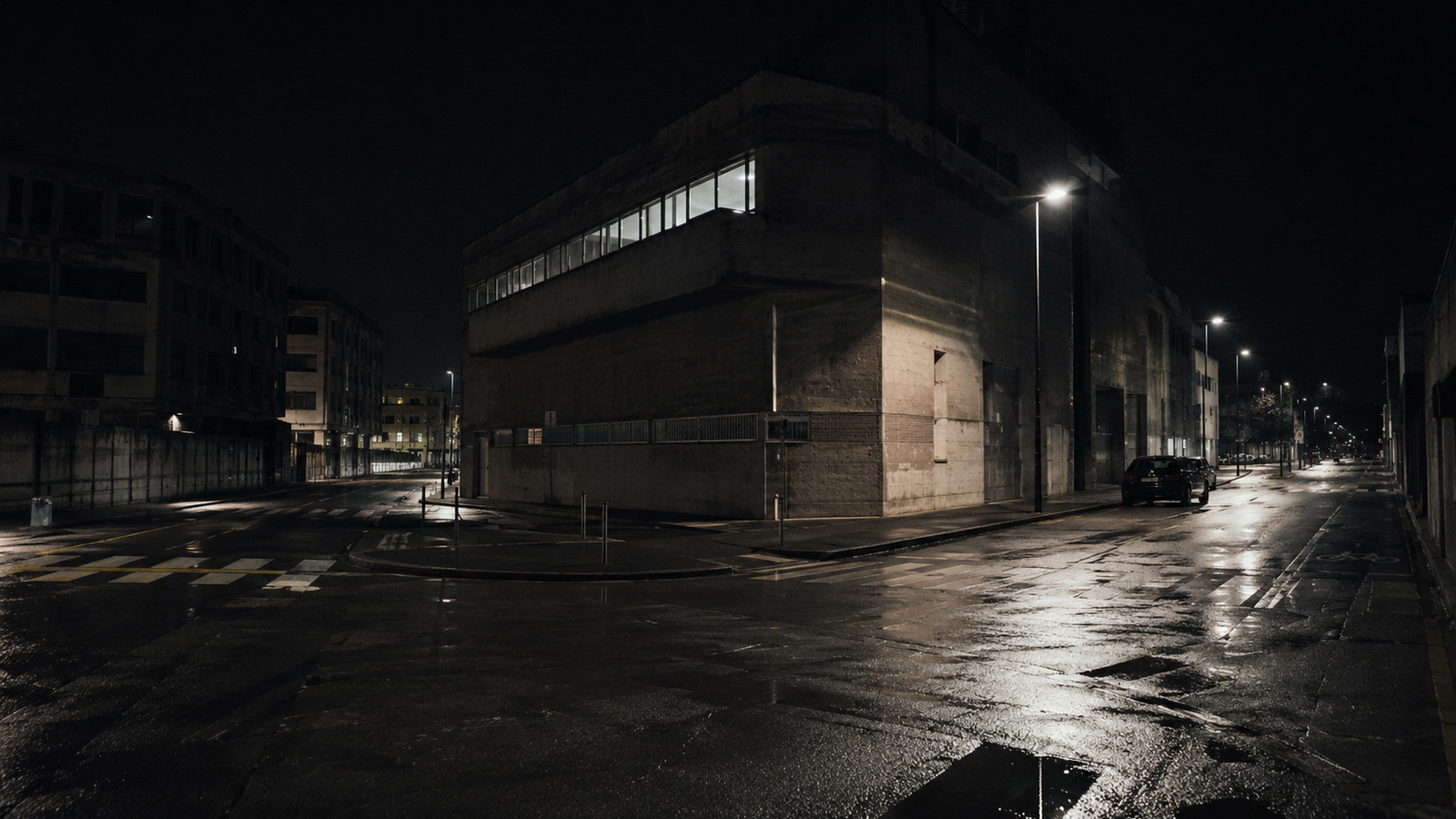
During the day, the vehicle remains part of normal life. At night, the same machine takes on a different role. Reflections replace body lines. Headlights become part of the composition. Empty roads allow details to be observed without visual noise.
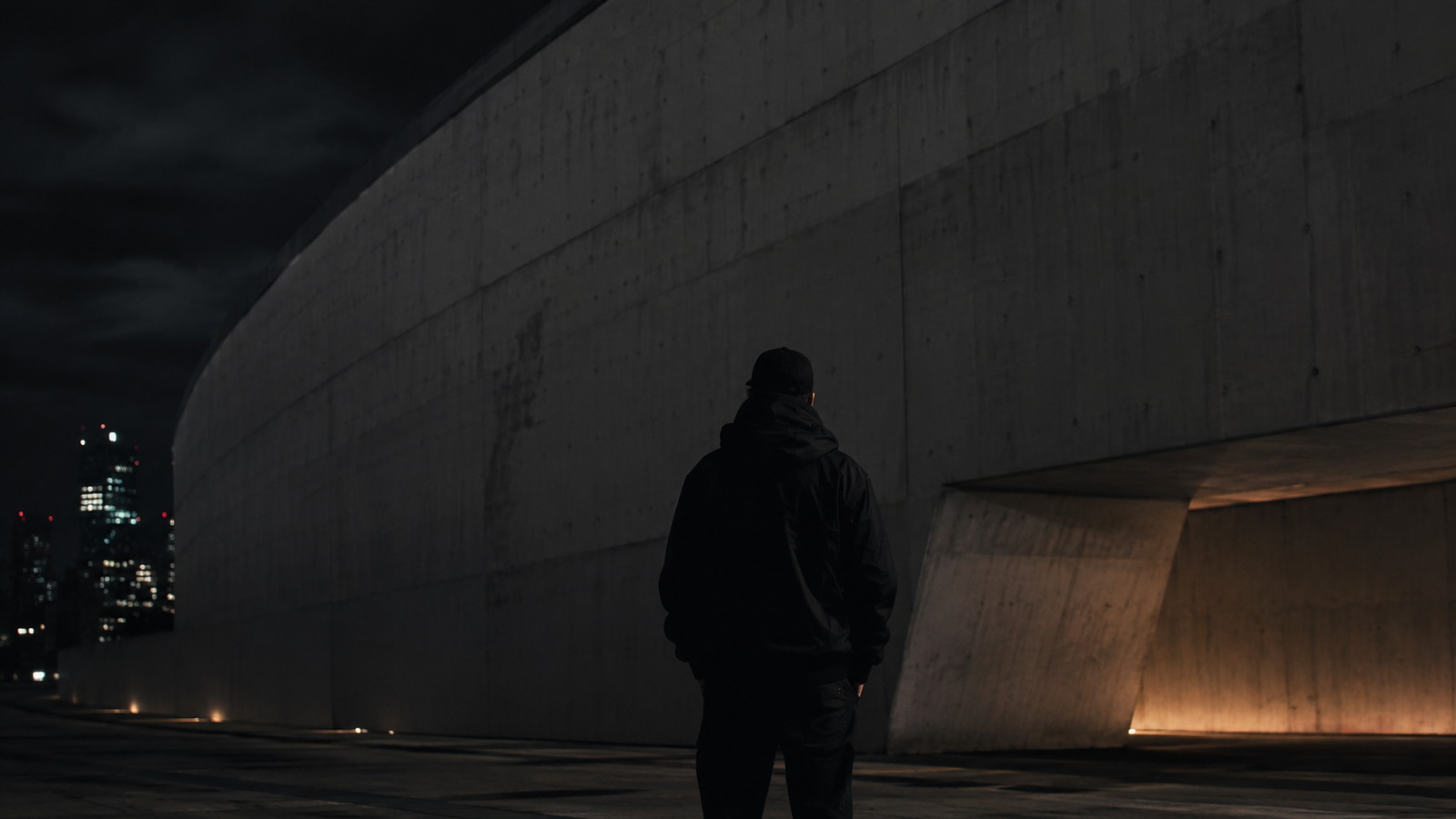
The car does not need to be rare to become significant. It needs to represent the person operating it. Personal machines carry decisions: what was changed, what was left untouched and what remains unfinished.
NOT A FINAL BUILD
The vehicle is still evolving. Some ideas exist only as references. Others require technical verification, legal approval or a better solution before they can be installed. A project should not be forced into completion simply to produce a final image.
There is value in documenting the unfinished stages. The gap between the current machine and its intended form records the decision-making process more honestly than a final specification sheet ever could.